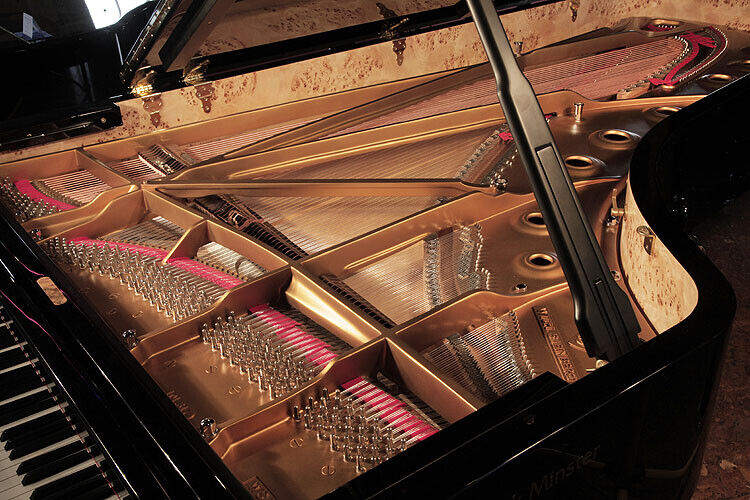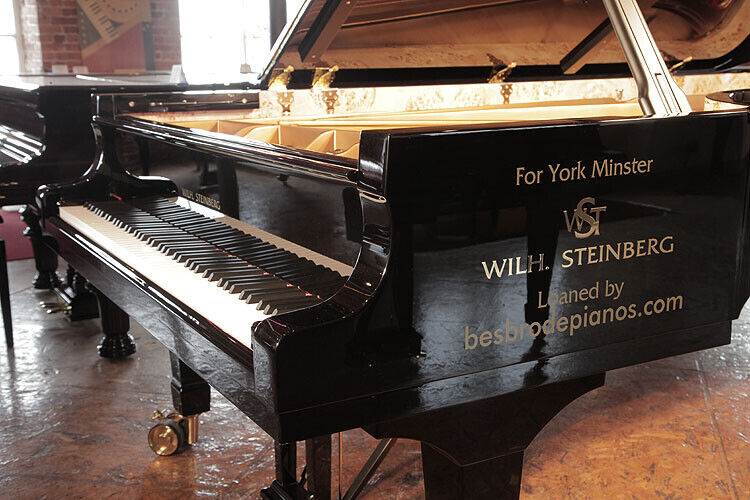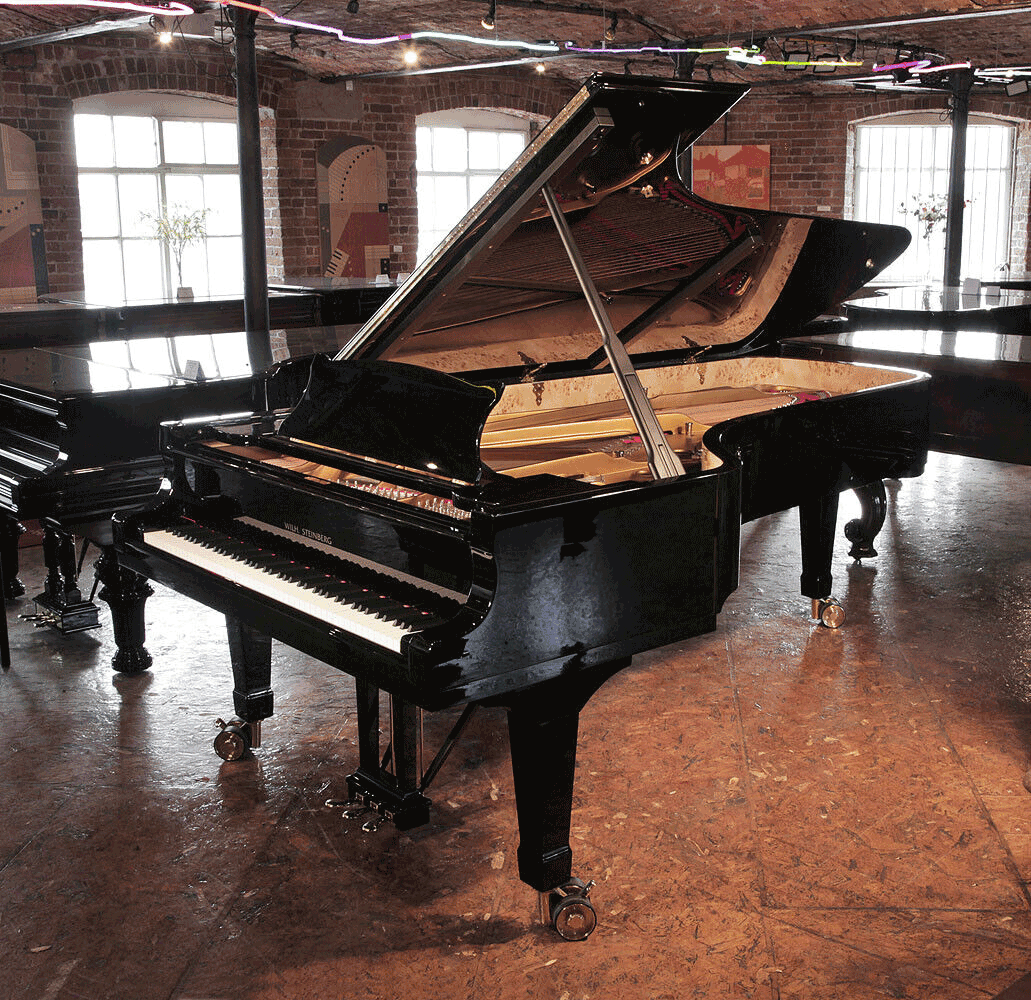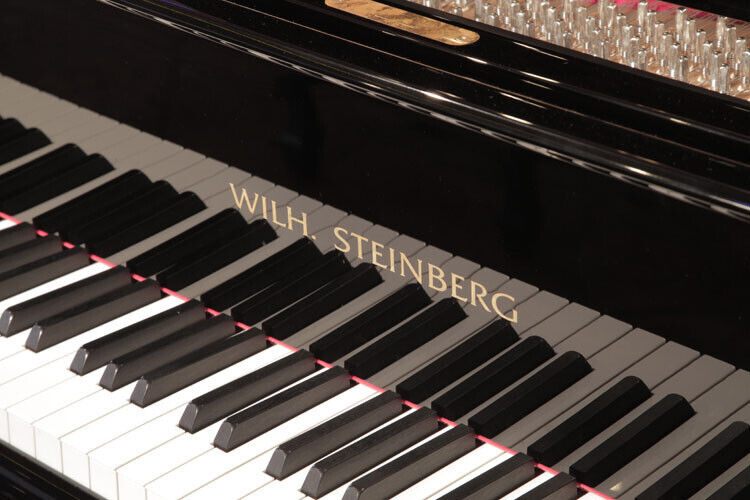
Wilh Steinberg

Brand History

Wilh Steinberg

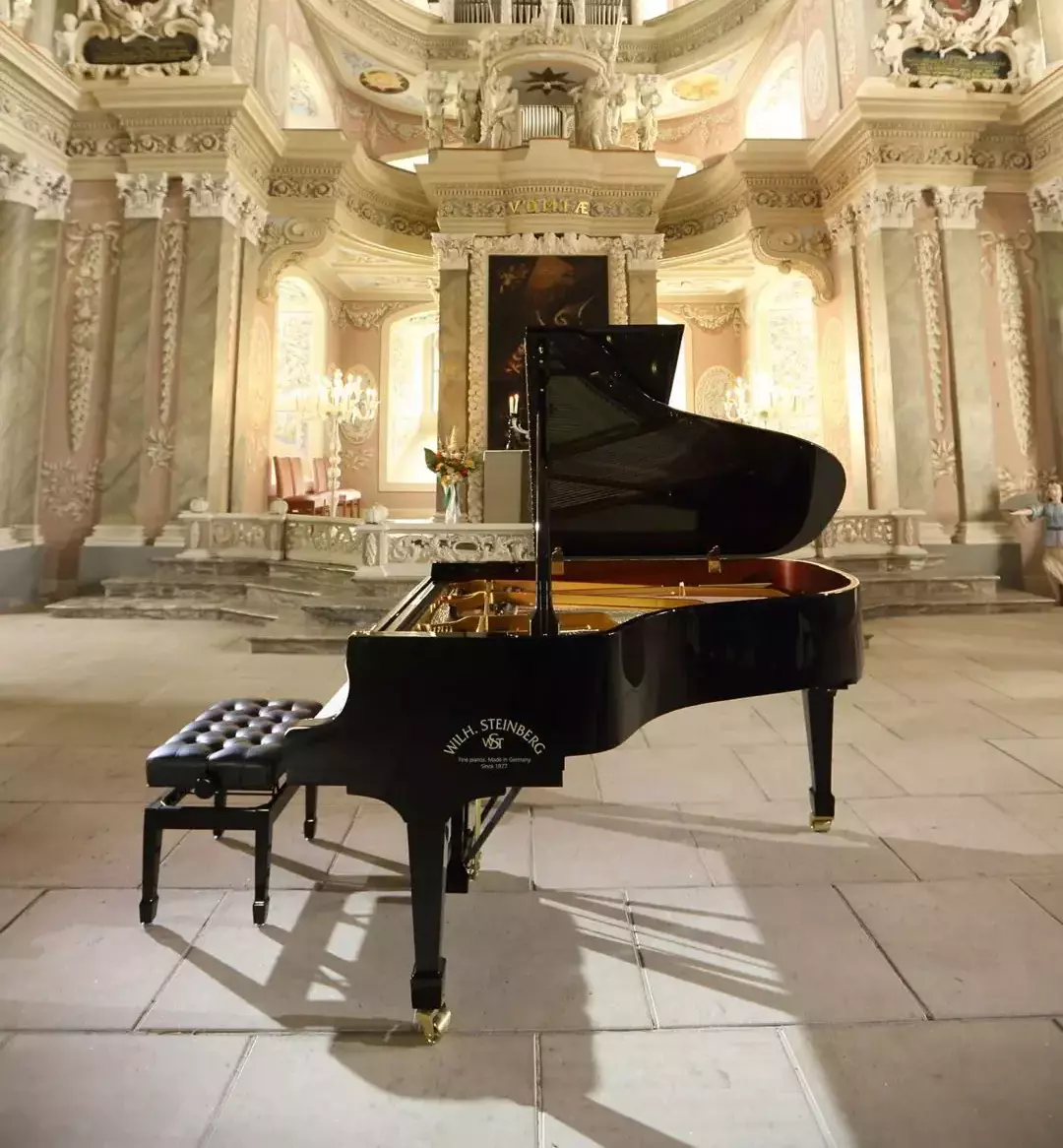
Wilh. Steinberg is a piano manufacturer in Eisenberg, Germany.

After the reunification of Germany the company merged with several other East German piano companies. In 2013, Wilh. Steinberg was bought by Parsons Music Group, a company based in Hong Kong.

With Parsons investment, Wilh. Steinberg was able to develop and expand their range of pianos.

Timeline & Development

Wilh. Steinberg is a historic German piano brand founded in 1877 in Eisenberg, Germany, a town long associated with piano craftsmanship. The company was established by Wilhelm Steinberg, with a focus on building high-quality pianos using traditional German methods.

During the late 19th and early 20th centuries, Wilh. Steinberg earned recognition for its precision engineering, tonal quality, and craftsmanship, becoming part of Germany’s respected piano-making tradition. Its instruments were known for reliability and musical depth, aligning with European classical standards of the time.

After World War II, like many German piano makers, the brand faced industry and economic challenges. Production scaled down, and the brand went through periods of restructuring.

A major turning point came in 2013, when Parsons Music Group (founded in 1986 and headquartered in Hong Kong) acquired Wilh. Steinberg. Under Parsons Music, the brand was revived and repositioned internationally, combining its German heritage with modern manufacturing, quality control, and global distribution.

Today, Wilh. Steinberg continues as a brand rooted in German piano-making history, while its product range has expanded beyond pianos to include other instruments, produced under the guidance of Parsons Music.

The Origin of Legendary German Piano

Drive up the Line 5 highway North-East past vast swaths of countryside from Frankfurt, and about 340km, or around 3 hours later, you will arrive at the tranquil and quiet district of Eisenberg.The small town with a population of 11,500 is the birthplace of the WILH. STEINBERG piano. Surrounding Eisenberg and stretching as far as the eye can see, are wide, fertile green vineyards. Each drop of the grape’s delicate nectar embodies the goodness and beauty that nature intended for the vineyards.Meissen ceramics is well known for its production of the finest ceramics used in the arts and crafts and captures the essence of European art culture at Dresden, where it is located. In the 19th century, great composer Wilhem Richard Wagner created several of his masterpieces while he was in Dresden.Eisenberg not only inherited the deep musical roots of European cultural history, but also brought together the traditional piano making techniques that would anoint Eisenberg as the birthplace of the WILH. STEINBERG piano.

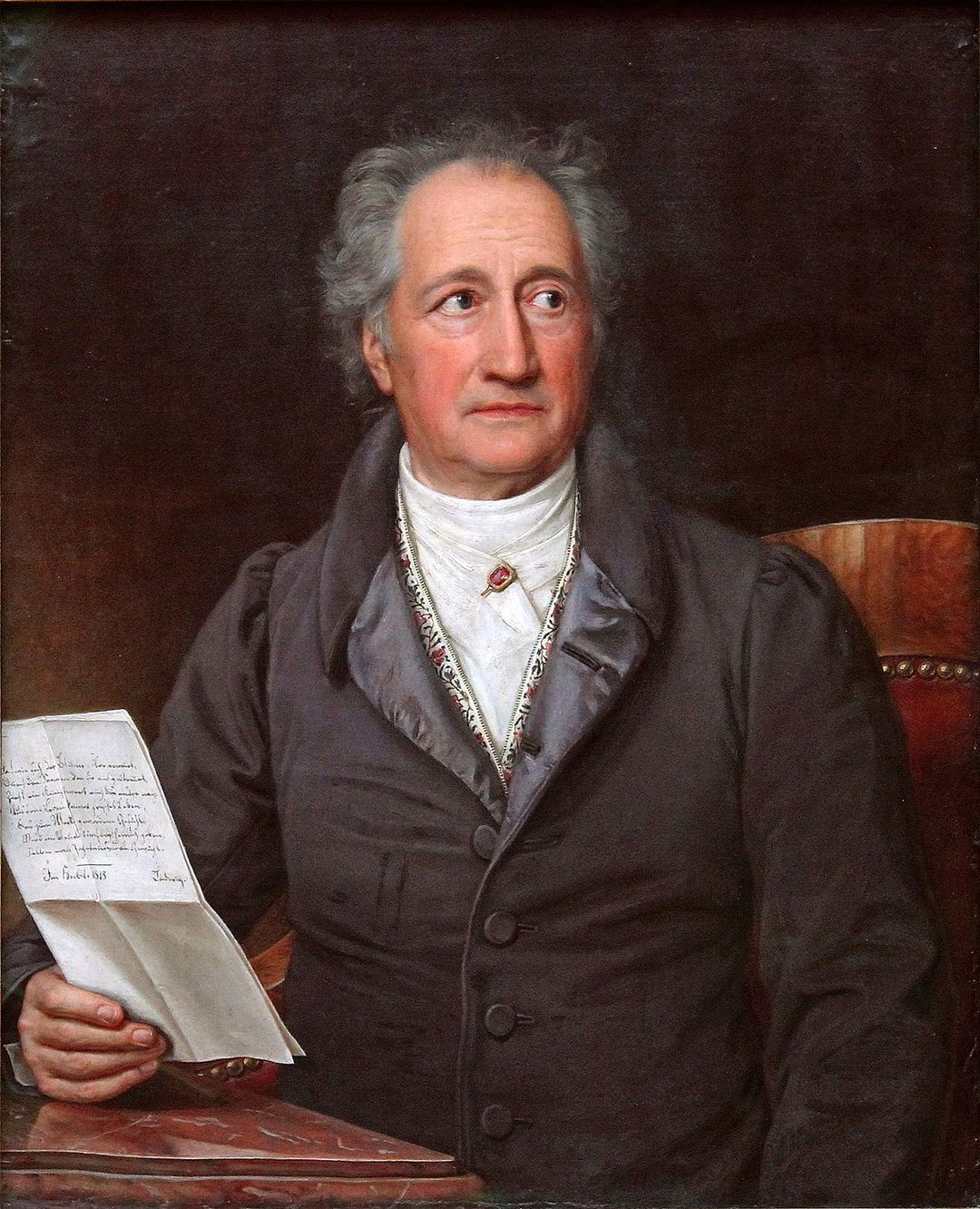
Johann Wolfgang von Goethe and Eisenberg

When referring to the history of WILH. STEINBERG pianos, it is impossible not to mention Johann Wolfgang von Goethe. It was the year 1775, when the Duke Carl-August von Sachsen-Weimar-Eisenach invited von Goethe to leave central Germany and move to Thüringia. This apparently innocent invitation would lay the foundations for the fundamental evolution of Eisenberg’s future. Johann Wolfgang von Goethe dedicated his life to the development of German musical culture. He and his family were instrumental to the blossoming of musical composition and the performing arts in the region. His work there later also influenced the development of piano making craftsmanship.

Key Elements for The Most Superlative Pianos

In the late 18th century, Eisenberg was a small town of workshops and craftsmen producing parts for various famous German piano manufacturers. But soon, these workshops evolved and started to develop their own, unique and superior techniques for piano making.Eisenberg’s proximity to the nearby Thüringia forest ensured an uninterrupted supply of the finest timber, an important fact that contributed to Eisenberg’s reputation.In 1877, WILH. STEINBERG pianos was founded at their family workshop during the height of the German piano making period.

135 years of Piano-making Experience & Tradition

Since its establishment during the height of Germany’s piano making days, WILH. STEINBERG has still managed to maintain its indisputable status. WILH. STEINBERG’s pianos embrace classic and elegant designs and produce the most impressive musical quality, guaranteeing it a place in history as one of the most successful piano makers. Over 135 years of piano making heritage has been built on the precious passing on of experience and expertise gained by generation after generation of master craftsmen. Craftsmen, who have toiled to harmonise modern piano making techniques with traditional ones to ensure that the musical perfection and production quality of WILH. STEINBERG pianos remains an ongoing legacy.